Honoring heritage and reuniting families
Presentations
Summary List
Explore a range of engaging and informative presentations on genetic genealogy, DNA discoveries, and uncovering family history. Below are some of the sessions I offer, but additional topics are available and can be customized to fit your needs. Feel free to reach out with any questions or inquiries!
Unveiling Family Legacies: Verifying Native American Ancestry and Tribal Affiliation.
Explore the journey of uncovering Native American ancestry, from family lore to historical verification and tribal enrollment. Delve into the distinction between federally recognized and non-federally recognized tribes, shedding light on the significance of the Five Civilized Tribes. Understand the importance of geographical context in tracing ancestral roots and discover the various documentation methods used for Native Americans, including infamous rolls and Dawes Packets. Learn about essential tools and resources, such as tribal websites, for conducting research and verifying ancestral connections. Finally, gain insight into enrollment requirements and the steps involved in establishing a genuine link to Native American heritage.
Exploring Methods and Strategies in autosomal DNA Investigations
Discover various at-home DNA testing options and their relevance to genealogical research, alongside tools aiding in your investigation. Explore the significance of autosomal DNA, Y DNA, and mtDNA, as well as centimorgans' importance. Gain insights into methodologies like the Dana Leeds method, Banyan DNA, DNA Painter, and color coding on Ancestry DNA, alongside essential resources to enhance your research endeavors.
Ancestry Unveiled: Distinguishing Genealogy from Genetic Genealogy
Discover the evolution of genealogy's significance throughout history and its transformation in the era of at-home DNA testing. Explore the emergence of genetic genealogy, its benefits, challenges, and ethical implications. Explore DNA types, documentation, accuracy, limitations, and delve into a case study comparing DNA evidence with conflicting paper trails to determine the accurate evidence.
Digital Tools for the Modern Genealogist: Leveraging Technology in Research
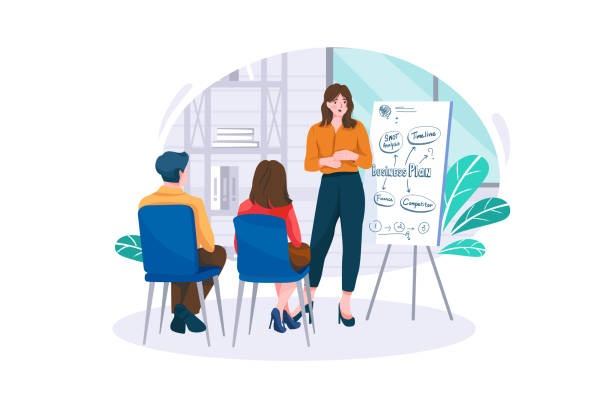
This presentation explores how today’s digital era has transformed family history research by making it faster, more accurate, and more accessible from anywhere. Attendees will learn how modern tools support smarter searching and stronger conclusions, including powerful search features like OCR for newspapers and other text-heavy sources, along with practical strategies for digital organization and building an efficient research plan. The session also emphasizes best practices for evaluating evidence and citing online sources so discoveries remain credible, repeatable, and easy to revisit.
Verifying Your Records: Avoiding Mistaken Identity in Native American Research
This is a case-study–driven presentation that walks attendees through the real-world challenges of distinguishing individuals with the same or similar names in Native American genealogy. Using the case of Willie Reburta Thompson, the session demonstrates how mistaken identity can occur in Dawes Roll research and how careful analysis of records such as censuses, vital records, newspapers, and enrollment documents is essential to reaching accurate conclusions. Attendees will gain a clear understanding of Cherokee Nation enrollment requirements, the structure and limitations of the Dawes Roll, and why DNA testing does not substitute for documentary proof in tribal enrollment. This presentation emphasizes ethical research practices, critical evaluation of evidence, and the importance of replacing family lore with a well-documented legacy.
Identity Unveiled: Navigating the Path from Shock to Serenity
Follow along with a misattributed parentage case study, as Aimee Rose-Haynes embarks on the journey to identify the unknown birth father of Dr. Nicole Price, who encounters a surprising revelation in her ancestry DNA test results. We'll explore her journey from the startling revelation that her father isn't her biological father to the process of coming to terms with the situation, leading to a satisfying resolution in the end.
Unlocking the Past: Using DNA to Solve a 1920s Adoption Mystery
We explore how modern genetic genealogy unraveled a century-old family secret. Driven by a desire for medical history, identity, and connection, the family embarked on a journey to uncover their ancestor’s birth parents. Through historical records, DNA testing, and persistence, we identified the birth mother and traced the birth father’s lineage back to England. The presentation highlights the challenges posed by an incorrect birth certificate, limited DNA matches, and the transition between testing platforms to expand genetic connections. This case study illustrates the power of DNA in overcoming historical barriers, ultimately leading to a bittersweet but enlightening resolution.
Journey of the Seabird Rose Family and Their Ohio Legacy
This traces the multigenerational story of the Rose family from their Welsh immigrant roots to their lasting impact across Ohio, with a special focus on Gallia and Wood Counties. Beginning with Seabird Lubetol Rose’s early settlement and land ownership, the presentation follows each generation through marriages, migration, military service, civic leadership, and community life, using original records such as censuses, land grants, court records, newspapers, and cemetery documentation. This case-study–style program demonstrates how careful documentation and local history research can transform names and dates into a rich family narrative, showing how one family’s story reflects broader patterns of settlement, growth, and change in Ohio history.
Researching Cherokee Ancestry: History, Rolls, and Records
This presentation provides a foundational overview of Cherokee history and the essential records used to research Cherokee ancestry accurately and ethically. This presentation explains the historical context of the Trail of Tears and Indian Territory, clarifies the differences between federally recognized and non-federally recognized tribes, and introduces the three federally recognized Cherokee tribes today. Attendees will learn how and why federal rolls such as the Henderson, Siler, Chapman, Dawes, Guion Miller, Baker, and United Keetoowah Band Base Rolls were created, how they are used for genealogical research and tribal enrollment, and where to access them. The session also addresses common misconceptions, including the limits of DNA testing for tribal citizenship, and emphasizes the importance of verification, careful documentation, and compassionate communication when family stories and historical evidence do not align.